
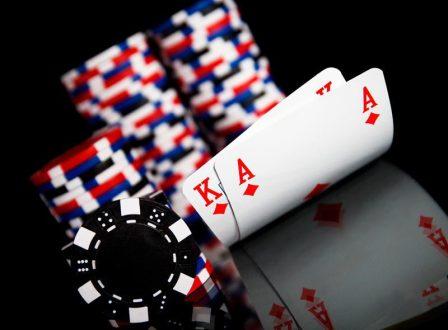
Poker and other card games: useful information for users
Card games have remained a familiar form of entertainment for centuries, long before the Internet made it possible to play them online. Their history is much older than the age of European exploration: historical evidence traces card games to China in the ninth century, while playing cards appeared in Europe around the late fourteenth century, probably through trade with the Middle East. Over time, different regions developed their own decks, rules and traditions, and many of these games later moved into digital formats. Today, online casinos commonly offer electronic and live-dealer versions of traditional card games, allowing users to encounter familiar rules in a different technical setting. Understanding how these games are structured, how outcomes are determined and how online versions differ from their offline counterparts can help users approach them with more realistic expectations.
Poker is one of the most popular card games.
Poker is what most of us think of when we think of card games. Everyone plays it: both “mere mortals” and multibillionaires, and well-known politicians (by the way, one of the US presidents, Richard Nixon, once won about $6,000 in Poker, which were spent on the election race, and partly contributed to his victory).
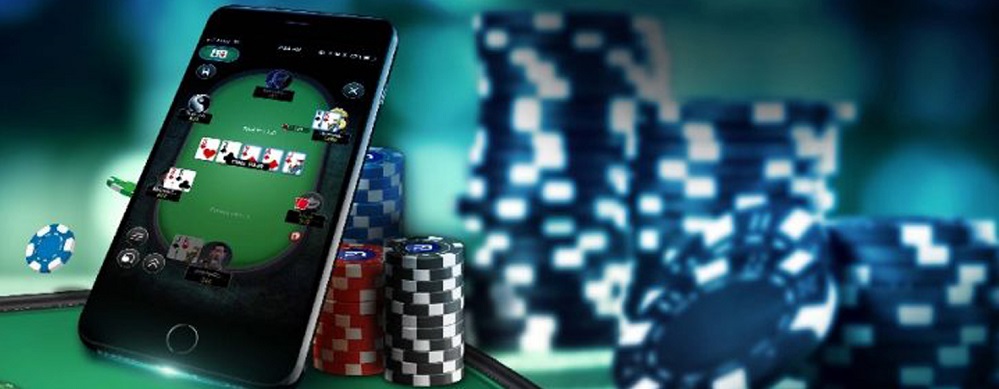
So, let’s consider the features of this game, and some of the nuances related to it (this also applies to online Poker):
- The main thing to understand is the close connection of Poker with mathematics (in principle, this is typical for most card games). The closer this exact science is to you, the more likely you are to become a successful player.
- There are quite a lot of superstitions among Poker players. And almost everyone believes in them (even if they don’t admit it). For example, one of the most common is that playing in stale clothes brings good luck. And if a dog is present next to the player, this is not good. Try to take advantage of these superstitions when playing online. Who knows, maybe they actually work.
- When playing online card games that rely on random outcomes, fairness depends largely on the technical standards and controls applied by the operator and game provider. Reputable licensed services use random number generators designed to produce unpredictable results, while regulated markets may require games and RNG systems to undergo independent testing before release. Such safeguards cannot eliminate every possible risk associated with online gambling, but they provide a verifiable framework for checking whether digital card games operate according to stated rules and probability models.
In general, it’s worth a try. Who knows, maybe Poker is exactly your game, and you will become one of those lucky people who earn a lot of money with it for a living.
Other card games to try
In addition to Poker, online casinos commonly offer other card games with different rules, formats and levels of player involvement. Some require frequent decisions during each round, while others depend more heavily on the cards dealt and established game rules. This variety allows users to choose a format according to their knowledge and preferred style of play. Among them:
- Blackjack is an analogue of the familiar 21 game.
- Baccarat. The principle of this game is similar to the previous one. But here it is not at all necessary to bother with strategies and calculations, because. little depends on the player. Just enjoy the process and get winnings.
- Different varieties of Poker and Blackjack with lots of interesting features.
Many popular card games can also be played online in different formats, depending on the casino and game provider. Some titles are available in demo or play-for-fun modes that use virtual credits instead of real-money stakes, although availability can vary by provider and jurisdiction. Such modes can be useful for becoming familiar with the rules and interface before deciding whether to play with real money.